


ONLINE VIRTUAL CLASS
Week 05
My Week 5's tasks:
_ Experiments:
+ Paper-based experiment.
+ Simple animation devices.
_Set up a meeting with Richard. (Friday?)
Monday Meeting:
On Monday morning, Richard and I only speak with each other for 5 mins so I have to make another meeting with Richard this Friday_ 14 May.
_This video down here is Monday's meeting.
Process:
👉 Paper-Based Experiment / Early Animation Devices:
_ My first attempt with this experiment was to recreate the early animation devices: Thaumatrope.
_Before I start creating the early animation device Thaumatrope, I will just try to research deeper and try to gain more understanding about it.
✔️Thaumatrope:
_Thaumatrope is an optical toy that was popular in the 19th century. A disk with a picture on each side is attached to two pieces of string. When the strings are twirled quickly between the fingers the two pictures appear to blend into one due to the persistence of vision.
_So you can see the video that I trying to make a Thaumatrope down here:
-
The first one was based on Dong Ho's painting: "The Mouse's Wedding."
-
The second one was just an image of a dragonfly on a branch of a tree.
-
The last one was an experiment with a sentence: "Becoming is better than being."
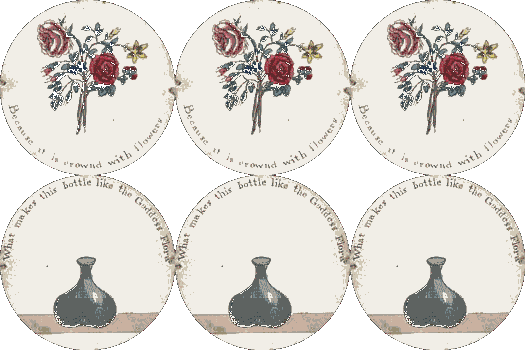
Thaumatrope Examples
👉 So here is my experiment with Thaumatrope:
_This is my digital Thaumatrope:
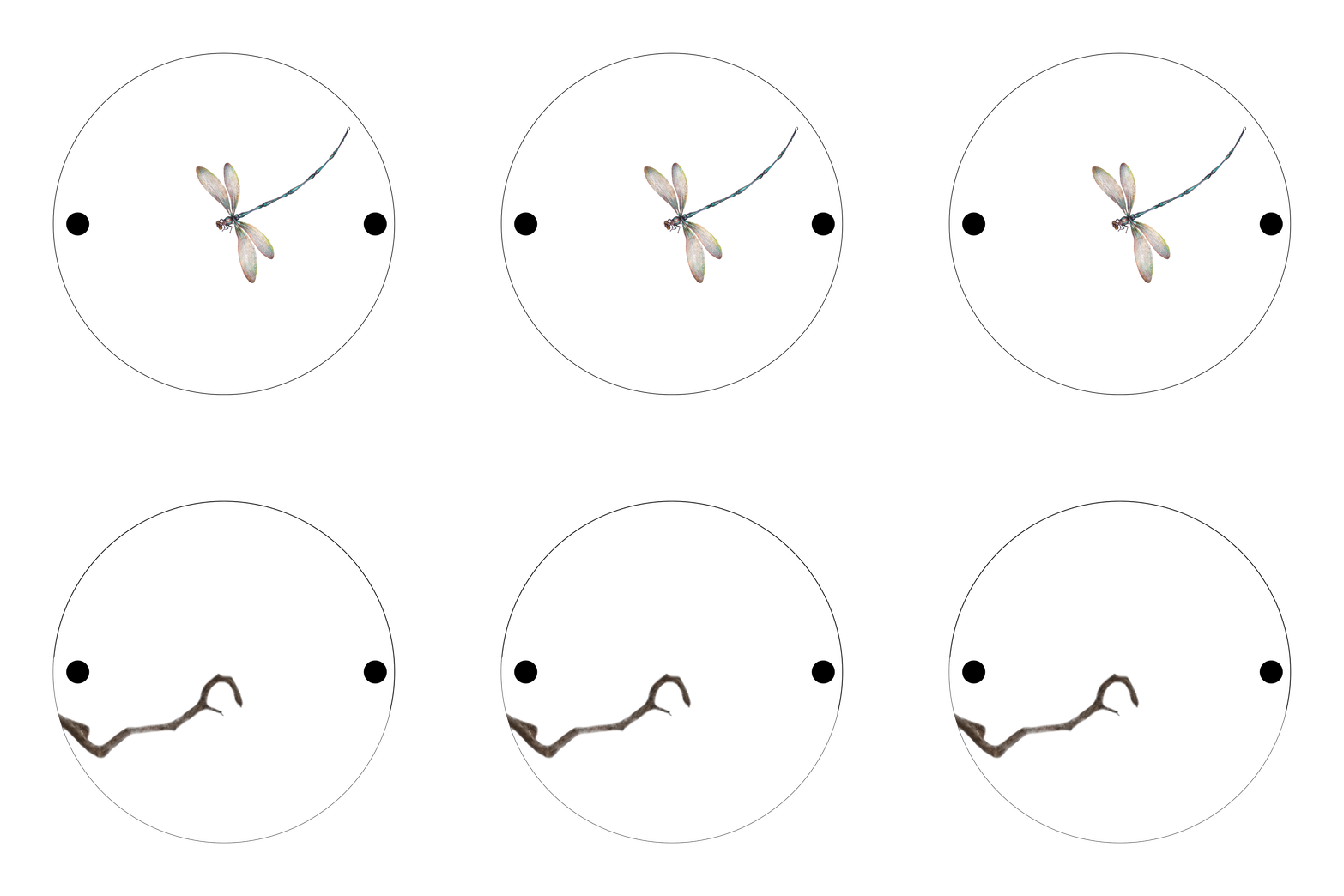
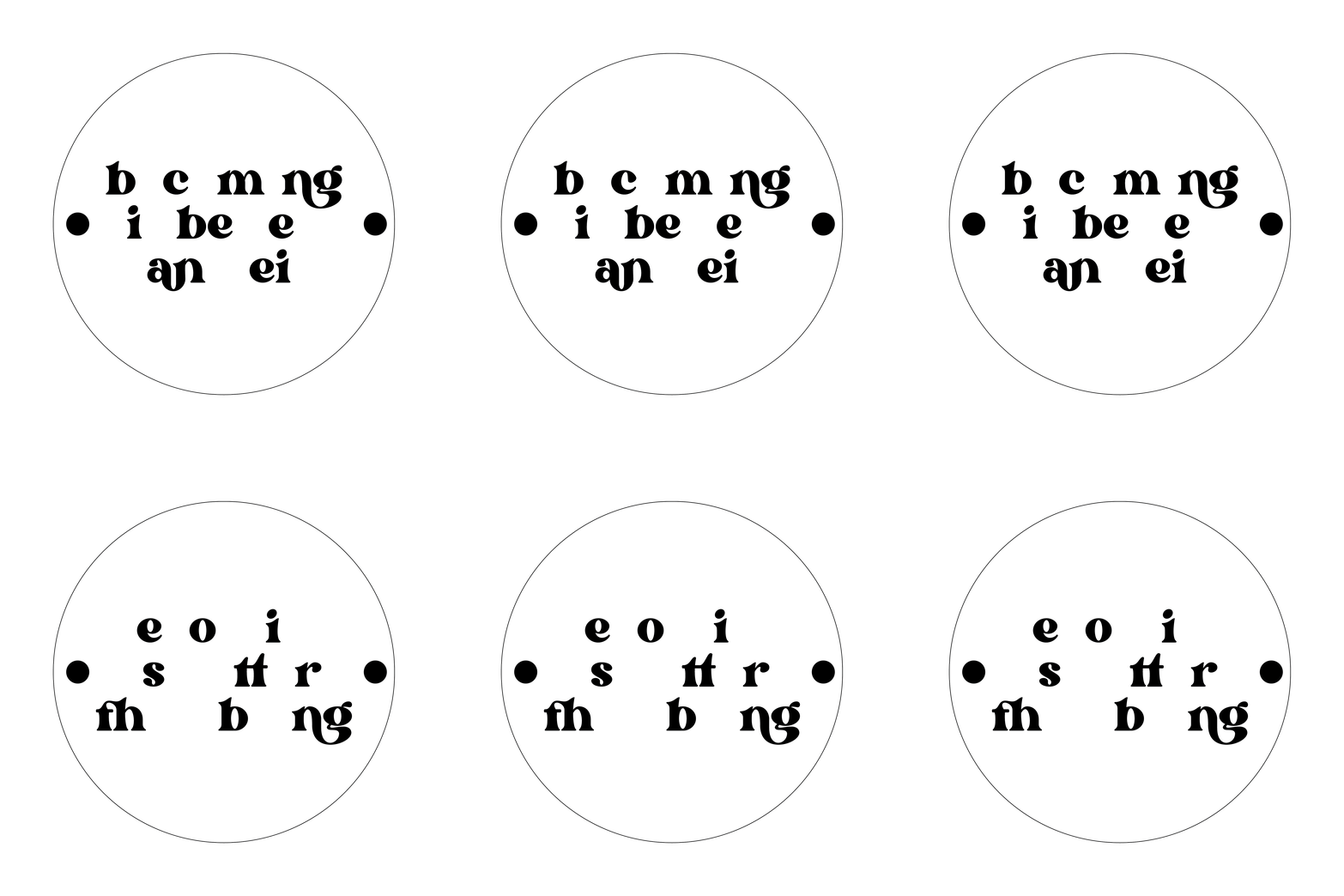
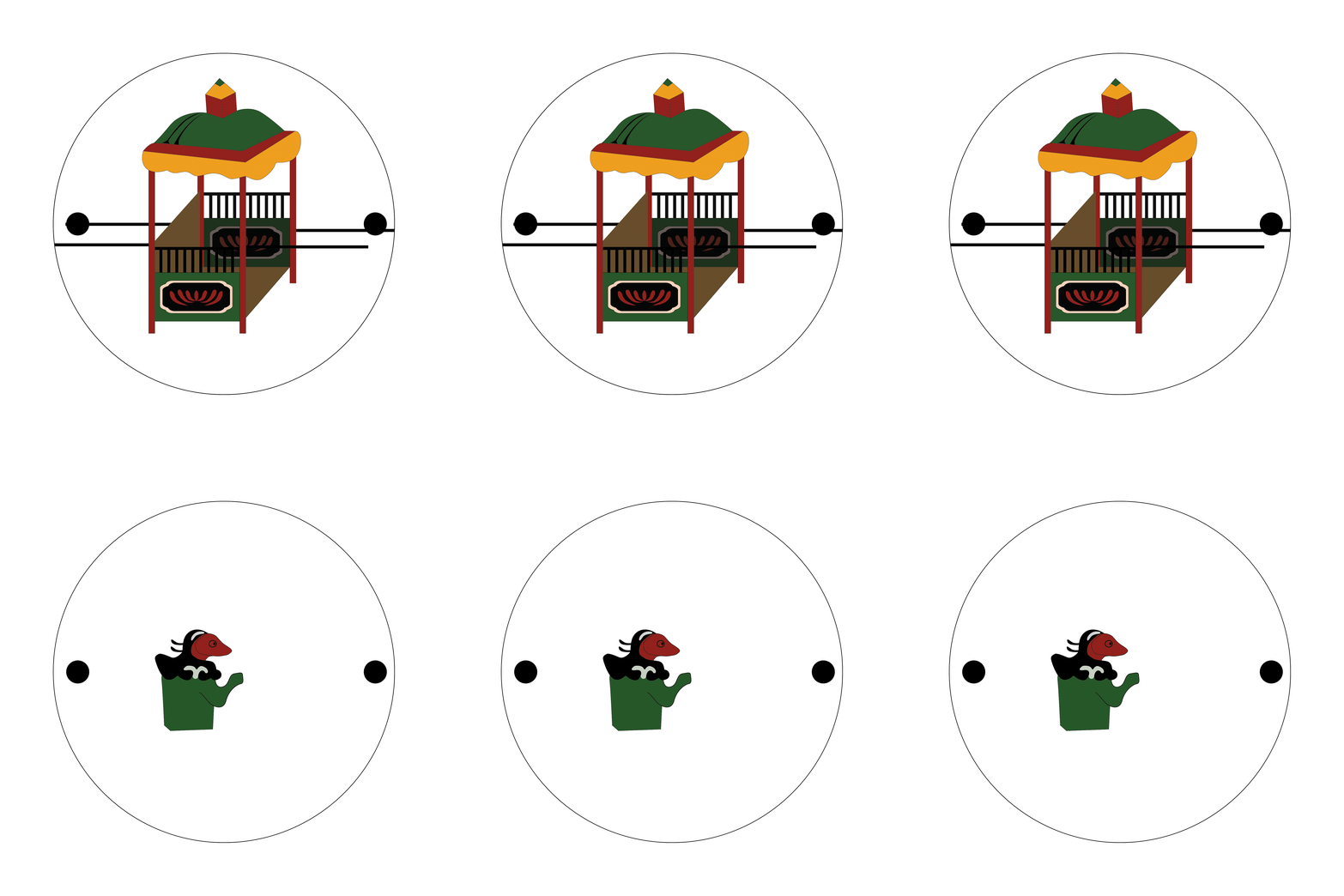
1
2
3
👁️🗨️ My evaluation about digital Thaumatrope:
_ Based on the 1, 2, and 3 experiments, I was using 3 different ways to make Thaumatrope.
-
Number 1 is using an image of a dragonfly and a branch of a tree. 👉 I found using images is much easier for Thaumatrope as it spinning everything combining really well.
-
As I use a sentence with a serif font which really hard to create a perception of illusion in this case. I think I will redo this by using a sans serif font.
-
The third one was based on the Mouse's Wedding Dong Ho's painting. And what I do is upgrade it to an illustration 2D fake 3D with palankeen... 👉Even though the blending actually creating the persistence of vision but it is really weird to see 1 is 2D (the Mouse) and the other 1 (The palanquin) is fake 3D. But in the end, it actually makes a very good thaumatrope.
_Before actually making it digital I have made 2 different kinds of Thaumatrope with paper experiments in real life:


_So I go to the printer and print A3 size including 6 circles. I choose the thickest paper to print the circles out.
_I have to prepare a scissor, paper knives, a ruler, a supper glue and a cutting mat.
_After cutting the circles out, I also prepare threads and some cords.
_This is my cutting process which only had me cutting out circles all over again and again... It's 10 mins long so you don't have to watch it actually...
👉 The next two videos are my end results making 2 Thaumatrope in 2 different ways.
-
The Dragonfly on a branch of a tree is using a stick and glued 2 circles together into the stick.
-
The Mouse's Wedding use 2 strings tied knots into 2 sides.
👉 These down here also are the process images.


👉 You can see I change the way the cord is tied into the circle! (Mouse's Wedding).
👉 The one on the right is showing the first attempt and the one on the right is the way I fix it in order to make it easier to spin.
What's Next?
👉After the experiment with Thaumatrope... What am I thinking was just continue doing more early animation devices like a magic lantern, phenakistoscope, or a zoetrope.
👉 I also thinking about developing it after the evaluation for digital thaumatrope. You know that all of the early animation devices are almost moving images with the stop motion combining with each other right? So I was wondering what if I go out and take photographs of people are walking or driving or doing anything. I will have a series of images and I could just easily print it out and make it moving real life (example: Zoetrope)
Friday Meeting:
_I have 2 meetings on Friday_14/05/21: one with Marisha at 10:00 AM and another with Richard at 11:30 AM.
_I have recorded both of the meetings but I have not recorded the voices of Marisha's meeting so that I can't upload it up here. *crying hard in the bathroom* 😭😭😭😭😭
✔️Work List after the tutorial:
1. Art Therapy:
_Background research about Art Therapy.
❓ What art therapy is?
❓ What I think art therapy is?
❓ What art therapy could or should be as a graphic designer?
❓ What opportunities or chances does it on for you as a designer?
2. Continue experiment:
_ Moving Image.
_ Paper-based experiments.
3. Concept of Craft:
👉 Ideas about Craftmanship. 👉 Ideas of Human-centered design.
_Craft can be anything make with your hand (eg pottery. embroidery, textile...)
❓ The ideas between Craftmanship and Graphic design.
⚠️ We know craftmanship is doing something with your own hand - handmade. 👉 And so it was like putting a piece of you into the work. Graphic designer in some particular ways is not putting yourselves into the work. Maybe it is because professional or it is a project for clients.
👉 That was why the ideas between those very interesting.
NOTES:
_Monday morning, talk more with Richard about crafts ideas and tell him to give some book suggestions about craftmanship.